Phishing scams aren’t new — but they’re getting smarter, more convincing, and harder to spot than ever before.
Once limited to clumsy emails full of spelling mistakes, modern phishing attacks are now sophisticated, targeted, and often indistinguishable from genuine messages. They don’t just trick individuals — they can compromise entire businesses, leading to data breaches, financial losses, and damaged reputations.
So, what’s changed? And more importantly, how can you protect your business from becoming the next victim?
What Is Phishing?
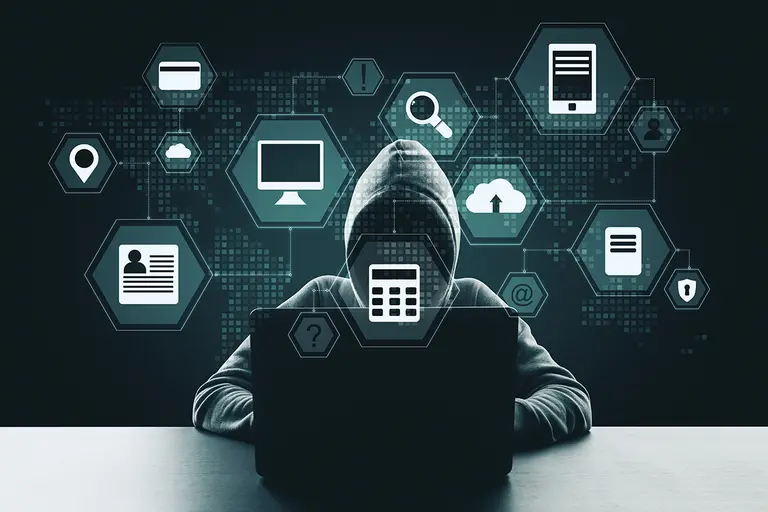
Phishing is when cybercriminals pretend to be a trusted source — like a bank, supplier, or even a colleague — to trick you into revealing sensitive information or downloading malicious software.
They might send an email that looks legitimate, with a familiar logo or convincing tone, asking you to:
- Click a link to “verify” an account
- Open an attachment
- Enter your login details
- Pay an overdue invoice
Once you take the bait, they can gain access to systems, steal credentials, or install malware that compromises your network.
How Phishing Scams Are Evolving
Modern phishing attacks are more dangerous because they use social engineering and automation to feel personal and relevant. Some of the latest tactics include:
1. AI-Generated Emails and Messages Attackers are using AI tools to craft perfectly written, natural-sounding emails that mimic a colleague’s tone or your company’s communication style — no spelling mistakes, no obvious red flags.
2. Spear Phishing (Highly Targeted Attacks) Instead of mass emailing thousands, cybercriminals research specific employees or departments, tailoring messages to sound authentic — such as HR notifications, invoice requests, or supplier updates.
3. Business Email Compromise (BEC) Attackers impersonate executives or suppliers to request urgent payments or sensitive data. These scams are highly convincing and often bypass basic security filters.
4. Multi-Channel Phishing Phishing isn’t just email anymore — it now includes SMS (smishing), voice calls (vishing), and social media messages. Attackers might start with one method, then follow up via another for added credibility.
How to Stay One Step Ahead
Staying protected requires more than just spam filters — it’s about awareness, technology, and proactive monitoring.
1. Educate and Train Employees Regularly Your team is the first line of defence. Train everyone to spot suspicious links, attachments, and messages. Encourage them to double-check unusual requests, even if they appear to come from senior management.
2. Enable Multi-Factor Authentication (MFA) Even if an attacker gets hold of a password, MFA adds an extra layer of protection that can stop them from accessing accounts.
3. Keep Software and Systems Updated Outdated systems are more vulnerable to exploitation. Regular updates patch known security holes that attackers love to exploit.
4. Use Email Security and Anti-Phishing Tools Advanced email filtering, endpoint protection, and DNS monitoring can detect and block malicious links or attachments before they reach users.
5. Simulate Phishing Attacks Running safe phishing simulations helps test awareness and keeps employees alert to new tactics — without real risk.
6. Partner with a Proactive IT Support Provider An experienced IT partner can implement layered security solutions, monitor your network for suspicious activity, and ensure your systems stay protected 24/7.
The Bottom Line
Phishing scams are no longer obvious — they’re clever, convincing, and constantly evolving. But with the right combination of awareness, technology, and proactive defence, your business can stay one step ahead.
At Onezo, we help businesses protect themselves from modern phishing threats with:
- Cybersecurity awareness training
- Email and endpoint protection solutions
- Proactive monitoring and support
- Cyber Essentials certification guidance
Don’t wait for a breach to find your weak spots — strengthen your defences today.
01332 416955 [email protected] www.onezo.co.uk